 Call Us : 07971549348Call Us : 07971549348

 Send Inquiry
Sponge Rubber Sheet
MOQ : 50 Kilograms
Sponge Rubber Sheet Specification
- Hardness
- 30-40 Shore A
- Thermal Conductivity
- Low
- Usage & Applications
- Sealing, gasketing, sound and vibration dampening, insulation, cushioning, industrial and construction applications
- Style
- Closed Cell
- Width
- 900 mm
- Ash %
- Less than 2%
- Color
- Black
- Compression Ratio
- 30% - 50%
- Tolerance
- 0.2 mm
- Tensile Strength
- 2~5 MPa
- Density
- 0.35 Gram per cubic centimeter(g/cm3)
- Feature
- Flexible, lightweight, compressible, weather-resistant
- Rubber Type
- Natural or synthetic (EPDM, Neoprene, etc.)
- Part Type
- Sheet
- Water Absorption
- Less than 5%
- Temperature Resistance
- -30C to +80C
- Size
- Custom and standard sizes available
- Length
- 10 metres (custom lengths also available)
- Natural Rubber
- Available with natural rubber on request
- Thickness
- 3 mm - 25 mm
- Product Type
- Sponge Rubber Sheet
- Flame Resistance Level
- Basic flame retardancy on request
- Surface Finish
- Smooth, plain finish or textured
- Weight
- Varies by size and thickness
- Material
- Sponge Rubber
- Resistance level
- Good resistance to weather, ozone, and aging
- Oil Resistance
- Available with suitable compounds
- Odor
- Mild rubber odor
- Packaging Type
- Roll or sheet
- Manufacturing Method
- Compression molding or extrusion
- UV Resistance
- Good (varies by type)
- Shape
- Rectangular sheet or custom cut shapes
- Elongation at Break
- 150% - 200%
- Recyclability
- Yes, depends on material
- Chemical Resistance
- Moderate (depends on compound selection)
Sponge Rubber Sheet Trade Information
- Minimum Order Quantity
- 50 Kilograms
- Supply Ability
- 1000 Kilograms Per Week
- Delivery Time
- 1 Week
- Sample Available
- Yes
- Sample Policy
- Contact us for information regarding our sample policy
- Certifications
- Yes
About Sponge Rubber Sheet
We are passionately involved in providing an superior quality range of Sponge Rubber Sheet. Provided rubber sheet is carefully manufactured using the premium quality rubber and pioneered technology in accordance with the latest industry standards. It finds its usage in electrical industry, food processing plants, and railways. Apart from all these, provided Sponge Rubber Sheet is also used in providing packing application and can be availed in different sizes to fetch maximum satisfactions of our esteemed customers.
Features:
- Durability
- Resistant to impact, acids and alkalies
- Withstand high temperature and pressure
- Superior finish
Specifications:
- 2 feet x 3 feet 1 mtr. X 2 mtr.
Flexible and Durable Sealing Solution
Sponge rubber sheets provide an optimal blend of flexibility and toughness, making them ideal for a diverse array of sealing, gasketing, insulation, and cushioning applications. Their closed cell structure ensures effective sound and vibration dampening, as well as strong weather, ozone, and UV resistance for both indoor and outdoor settings.
Customizable for Your Industrial Needs
Available in a variety of thicknesses (325 mm), lengths, and widths, these sheets can be tailored to fit complex shapes or large-scale projects. Offered in standard black color, custom cut shapes, and multiple rubber types (natural or synthetic), they accommodate your specific industrial, construction, or engineering requirements.
Economical, Reliable, and Easy to Install
Engineered for ease of handling and installation, sponge rubber sheets are lightweight and compressible, allowing for simple adaptation to site conditions. Their recyclability and low ash content support sustainable practices, while their basic flame retardancy and low thermal conductivity ensure safety and efficiency in application.
FAQs of Sponge Rubber Sheet:
Q: How are sponge rubber sheets typically installed in industrial or construction applications?
A: Sponge rubber sheets can be cut to size and shape, then fitted or bonded directly to surfaces using adhesives, mechanical fasteners, or pressure-sensitive backing. Their flexibility and light weight make installation straightforward, supporting precise adjustments on-site for seamless sealing, gasketing, or insulation.Q: What determines the chemical and oil resistance of these sponge rubber sheets?
A: Chemical and oil resistance depend on the specific compound formulation usedoptions include EPDM, Neoprene, and natural rubber. For greater resistance to oils, a suitable compound should be selected at the ordering stage to ensure compatibility with the intended environment.Q: When should I use custom cut shapes instead of standard rectangular sheets?
A: Custom cut shapes are ideal when standard rectangular sizes do not fit unique equipment, architectural features, or complex sealing points. Customization ensures optimal performance, improves installation efficiency, and reduces material waste in specialized or irregular applications.Q: Where are these sponge rubber sheets commonly used?
A: These sheets are frequently utilized in sealing, gasketing, sound and vibration dampening, insulation, and cushioning across industries such as automotive, construction, electrical, HVAC, and general manufacturing due to their robust performance and versatility.Q: What are the benefits of choosing a closed cell sponge rubber sheet over open cell alternatives?
A: Closed cell sponge rubber sheets offer superior water, air, and dust resistance, enhanced weatherproofing, low water absorption, and improved sound and vibration isolation. This makes them more effective for outdoor, insulation, and protective applications requiring durable, weather-resistant materials.Q: How does the manufacturing processcompression molding or extrusionimpact the product?
A: Compression molding suits thicker or more complex shapes, delivering uniform density and smooth finishes, while extrusion offers longer, continuous lengths with consistent cross sections. Both methods ensure dimensional precision, but selection depends on project requirements for thickness, size, and finish.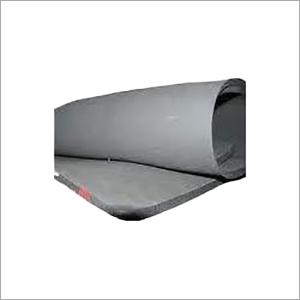
Tell us about your requirement

Price:
Quantity
Select Unit
- 50
- 100
- 200
- 250
- 500
- 1000+
Additional detail
Mobile number
Email

More Products in Rubber Sheet Category
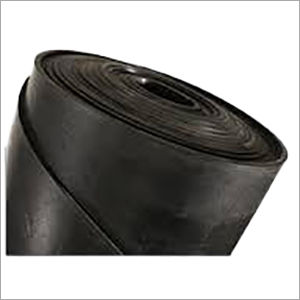
EPDM Rubber Sheet
Price Range 33.00 - 240.00 INR / Kilograms
Minimum Order Quantity : 50 Kilograms
Color : Black
Thickness : 1 mm to 50 mm
Width : 1 Meter
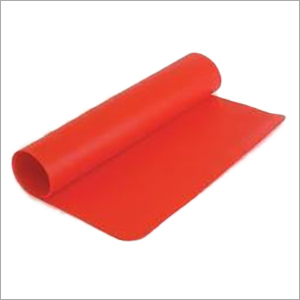
Silicon Rubber Sheet
Price 275 INR / Kilograms
Minimum Order Quantity : 2 Kilograms
Color : Red, White, Transparent, or as required
Thickness : From 1 mm up to 25 mm
Width : Standard widths up to 1200 mm
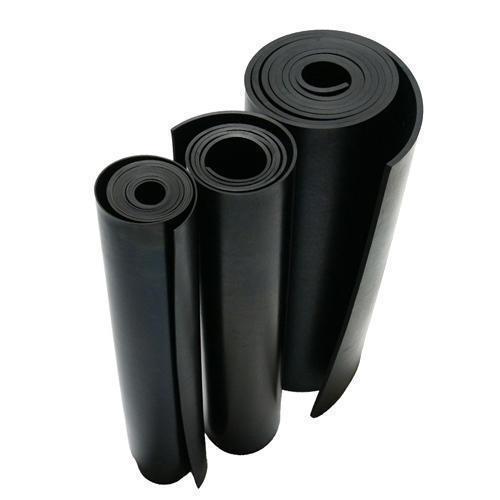
RUBBER SHEET
Price 135.0 INR
Minimum Order Quantity : 60
Color : Black
Thickness : Varies (Customizable)
Width : Varies (Customizable)
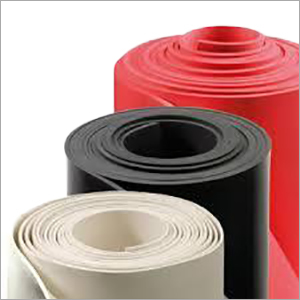
Rubber Sheet
Price Range 33.00 - 240.00 INR / Sheet
Minimum Order Quantity : 50 Sheets
Color : RED , BLACK, WHITE
Thickness : 3 To 25 Millimeter (mm)

Address
GST : 24AEHPJ3827P1Z5
- No. A/107, Shree Ghantakaran Mahavir Comm., Market, Near New Cloth Market, Sarangpur,Ahmedabad - 380002, Gujarat, India
- Phone :07971549348
-
 Send Inquiry
 Send Inquiry
 Send Inquiry
 Send SMS
 |
KAN-TECH RUBBER INDUSTRIES
All Rights Reserved.(Terms of Use) Developed and Managed by Infocom Network Private Limited. |
